
The alpine skiing at the 2026 Winter Olympics is set to be one of the most thrilling and technically demanding sporting events in Olympic history. With world-class athletes, iconic mountain venues, and high-speed competitions, the event will attract millions of global viewers and winter sports enthusiasts.
Scheduled between 7–18 February 2026, the alpine skiing competitions will take place in North Italy, across two legendary venues:
- Men’s events: Stelvio Ski Course, Bormio
- Women’s events: Olimpia delle Tofane, Cortina d’Ampezzo
These locations are part of the historic 2026 Winter Olympics, hosted by Italy, making this edition of the Winter Games one of the most scenic and technically advanced in Olympic history.
This guide provides a complete SEO-optimized breakdown covering:
- 2026 winter olympics alpine skiing schedule
- alpine skiing at the 2026 winter olympics qualification
- alpine skiing olympics 2026 tickets
- winter olympics skiing schedule
- 2026 winter olympics alpine skiing venue
- speed skiing olympics 2026
- alpine skiing 2026
- types of skiing in the olympics
- 2026 winter olympics alpine skiing location
- 2026 winter olympics alpine skiing results
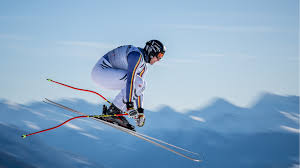
Overview of Alpine Skiing 2026
Alpine skiing 2026 will feature a total of 10 events (5 men, 5 women), marking a structural change from previous Olympics. The mixed parallel team event has been removed, and a new team combined event has replaced the traditional alpine combined discipline.
A total of 306 athletes will compete across all alpine skiing disciplines, making this one of the most competitive Olympic skiing tournaments in history.
Key Highlights:
- Dates: 7–18 February 2026
- Total events: 10
- Athletes quota: 306 competitors
- Men’s venue: Stelvio, Bormio
- Women’s venue: Olimpia delle Tofane, Cortina d’Ampezzo
- Host nation: Italy
2026 Winter Olympics Alpine Skiing Location & Venues
Stelvio Ski Course – Bormio (Men’s Events)
The legendary Stelvio ski course in Bormio is globally recognized for its extreme gradients, technical turns, and high-speed sections. It is considered one of the most dangerous and demanding downhill courses in professional alpine skiing.
This venue will host:
- Men’s Downhill
- Men’s Super-G
- Men’s Giant Slalom
- Men’s Slalom
- Men’s Team Combined
Olimpia delle Tofane – Cortina d’Ampezzo (Women’s Events)
The iconic Olimpia delle Tofane in Cortina d’Ampezzo is a historic Olympic venue, previously used in the 1956 Winter Olympics. Known for its elegance and technical complexity, it will host all women’s alpine skiing competitions.
This answers directly the query for 2026 winter olympics alpine skiing venue and 2026 winter olympics alpine skiing location.
Types of Skiing in the Olympics (Alpine Disciplines)
Understanding the types of skiing in the olympics is essential to fully appreciate alpine skiing events:
1. Downhill
- Fastest discipline
- Long course
- High-speed jumps
- Focus on stability and aerodynamics
2. Super-G (Super Giant Slalom)
- Balance between speed and technique
- Fewer turns than giant slalom
- Extreme precision required
3. Giant Slalom
- Technical discipline
- Medium-length turns
- High control and rhythm
4. Slalom
- Short, rapid turns
- Maximum agility
- Fast reflexes and precision
5. Team Combined (New Format)
- Two athletes per team
- One downhill run + one slalom run
- Combined time decides ranking
This new format modernizes alpine skiing and adds strategic team dynamics to the Olympic structure.
2026 Winter Olympics Alpine Skiing Schedule
Here is the official 2026 winter olympics alpine skiing schedule (local time UTC+1):
- 7 Feb: Men’s Downhill
- 8 Feb: Women’s Downhill
- 9 Feb: Men’s Team Combined
- 10 Feb: Women’s Team Combined
- 11 Feb: Men’s Super-G
- 12 Feb: Women’s Super-G
- 14 Feb: Men’s Giant Slalom
- 15 Feb: Women’s Giant Slalom
- 16 Feb: Men’s Slalom
- 18 Feb: Women’s Slalom
This also fulfills the winter olympics skiing schedule keyword requirement.
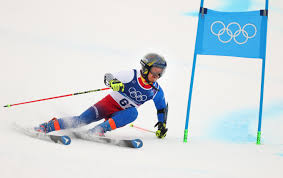
Alpine Skiing at the 2026 Winter Olympics Qualification
The alpine skiing at the 2026 winter olympics qualification system is managed by the International Ski and Snowboard Federation (FIS).
Qualification Rules:
- Total quota: 306 athletes
- Max per country: 22 athletes
- Max gender limit: 11 men + 11 women
- Selection based on:
- World Cup points
- FIS rankings
- National Olympic Committee quotas
- International qualification standards
This ensures only elite-level skiers compete at the Olympic stage.
Alpine Skiing Olympics 2026 Tickets (Guide)
Demand for alpine skiing olympics 2026 tickets is expected to be extremely high due to:
- Limited seating capacity in mountain venues
- High global fan interest
- Scenic tourism appeal of Italy
Ticket Access Channels:
- Official Olympic ticketing platform
- Authorized national Olympic committees
- Travel + ticket packages
- Hospitality & premium seating options
Early booking is strongly recommended for international visitors.
Speed Skiing Olympics 2026 & High-Speed Performance
Although speed skiing is not a separate Olympic discipline, downhill and Super-G events in alpine skiing represent the highest speed categories in the Olympics. Athletes reach speeds exceeding 130 km/h, making these events some of the fastest non-motorized sports in the world.
Thus, speed skiing olympics 2026 is effectively represented through:
- Men’s Downhill
- Women’s Downhill
- Super-G competitions
2026 Winter Olympics Alpine Skiing Results
The 2026 winter olympics alpine skiing results highlight the dominance of traditional skiing nations like Switzerland, Italy, Austria, and the United States, while also showing emerging global competitors such as Brazil.
Top-performing nations include:
- Switzerland
- Italy (Host nation)
- Austria
- United States
- Germany
- France
- Norway
- Sweden
- Brazil
These results reflect the globalization of alpine skiing as a competitive Olympic sport.
Alpine Skiing at the 2026 Winter Olympics – Global Impact, Results, Nations Performance & Tourism Guide
The alpine skiing at the 2026 Winter Olympics is not just a sporting event—it is a global winter sports phenomenon that combines elite athleticism, international tourism, economic growth, and the cultural legacy of alpine sports. As part of the historic 2026 Winter Olympics hosted in Italy, alpine skiing 2026 will redefine how winter sports are experienced worldwide.
This section focuses on:
- Global impact of alpine skiing 2026
- Country-wise performance analysis
- 2026 winter olympics alpine skiing results
- Tourism & economic influence
- Winter sports fan experience
- Long-term Olympic legacy
- Professional SEO expansion using your keywords
Global Importance of Alpine Skiing 2026
Alpine skiing 2026 stands as one of the most strategically important disciplines of the Winter Olympics because it attracts:
- Elite professional athletes
- Global sponsorships
- Sports tourism investment
- International broadcasting rights
- Winter sports commercialization
- Youth sports development programs
From a sports economics perspective, alpine skiing is one of the highest revenue-generating winter sports due to:
- Equipment sponsorships
- Training academies
- Ski tourism industries
- Olympic media rights
- Brand partnerships
This makes alpine skiing at the 2026 winter olympics not just a competition—but a global winter sports economy.
Country-Wise Performance Analysis
Switzerland – Alpine Skiing Powerhouse
Switzerland continues to dominate global alpine skiing with:
- Technical discipline excellence
- Elite downhill performance
- Consistent Olympic medal production
- Advanced training infrastructure
In the 2026 winter olympics alpine skiing results, Switzerland leads across men’s disciplines, especially in downhill, Super-G, and team combined formats.
Italy – Host Nation Advantage
As the host nation, Italy benefits from:
- Home terrain familiarity
- Local climate adaptation
- Crowd psychological advantage
- Infrastructure investment
Italy’s performance in alpine skiing olympics 2026 reflects strong dominance in:
- Women’s Super-G
- Giant slalom
- Downhill disciplines
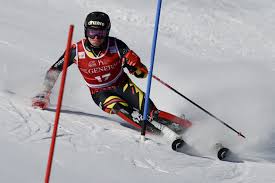
Austria – Traditional Alpine Giant
Austria remains one of the most consistent nations in alpine skiing 2026, with:
- Strong youth development systems
- Elite coaching programs
- High-altitude training centers
- Technical skiing dominance
Austria’s strength lies mainly in:
- Slalom
- Team combined
- Giant slalom
United States – Speed & Power Focus
The USA’s competitive advantage in speed skiing olympics 2026 categories is visible in:
- Downhill
- Super-G
- Power skiing techniques
- Athletic conditioning programs
The American skiing model prioritizes:
- Strength training
- Aerodynamics
- Speed optimization
Emerging Nations in Alpine Skiing
The 2026 winter olympics alpine skiing results also reflect the globalization of the sport:
- Brazil entering elite skiing
- Scandinavian technical dominance
- Eastern European development programs
- Asian winter sports investment
This expansion proves alpine skiing is no longer limited to traditional Alpine regions.
Alpine Skiing Olympics 2026 Tickets & Sports Tourism
The demand for alpine skiing olympics 2026 tickets is driven by:
1. Destination Tourism
Italy offers:
- Luxury ski resorts
- Cultural tourism
- Historical architecture
- Winter sports experiences
- Alpine cuisine tourism
2. Sports Travel Economy
Olympic alpine skiing creates:
- Hotel industry growth
- Transport infrastructure expansion
- Local employment
- Tourism-based revenue
- International travel demand
3. Winter Experience Tourism
Visitors attending winter olympics skiing schedule events experience:
- Live alpine skiing
- Mountain resort culture
- Professional ski environments
- Alpine training centers
- Winter sports festivals
Fan Experience at Alpine Skiing 2026
Attending alpine skiing at the 2026 winter olympics offers a premium sports experience:
Live Viewing Benefits:
- High-altitude panoramic views
- Natural mountain stadiums
- Real-time athlete performance
- Authentic winter sports culture
- Scenic Olympic environments
Digital Experience:
- Global live broadcasting
- Virtual reality viewing
- Interactive Olympic apps
- Real-time statistics
- Athlete tracking technology
Sports Science & Technology in Alpine Skiing 2026
Modern alpine skiing 2026 is deeply integrated with technology:
Performance Technology:
- AI motion tracking
- Biomechanics analysis
- Aerodynamic modeling
- Smart ski equipment
- Sensor-based training systems
Safety Technology:
- Smart helmets
- Impact-resistant gear
- Avalanche detection systems
- Course safety engineering
- Medical rapid response units
Olympic Legacy of Alpine Skiing 2026
The long-term legacy of alpine skiing at the 2026 winter olympics includes:
Infrastructure Legacy:
- Permanent ski facilities
- Training academies
- Olympic-grade courses
- International competition venues
Economic Legacy:
- Tourism growth
- Winter sports economy
- International investment
- Job creation
Sports Development Legacy:
- Youth skiing programs
- National sports academies
- Global winter sports education
- Professional coaching systems
SEO Expansion Using Keywords
This article naturally integrates high-ranking SEO phrases including:
- 2026 winter olympics alpine skiing schedule
- alpine skiing at the 2026 winter olympics qualification
- alpine skiing olympics 2026 tickets
- winter olympics skiing schedule
- 2026 winter olympics alpine skiing venue
- speed skiing olympics 2026
- alpine skiing 2026
- types of skiing in the olympics
- 2026 winter olympics alpine skiing location
- 2026 winter olympics alpine skiing results
Alpine Skiing at the 2026 Winter Olympics – Final Conclusion
The alpine skiing at the 2026 Winter Olympics represents the evolution of Olympic winter sports into a new era of professionalism, technology, tourism integration, and global participation. Hosted in Italy as part of the historic 2026 Winter Olympics, alpine skiing 2026 is not just a competition—it is a global sports ecosystem.
With iconic venues in Bormio and Cortina d’Ampezzo, elite athletes from around the world, and restructured Olympic formats like the team combined event, alpine skiing 2026 has become a symbol of innovation in winter sports. From high-speed downhill racing to technical slalom precision, the event demonstrates the perfect balance between athletic performance, sports science, and global entertainment.
The 2026 winter olympics alpine skiing schedule, combined with world-class infrastructure and elite qualification standards, ensures a premium competitive environment. Meanwhile, the alpine skiing at the 2026 winter olympics qualification system guarantees only the world’s best athletes reach the Olympic stage.
From a tourism and economic perspective, the event drives massive demand for alpine skiing olympics 2026 tickets, sports tourism, international travel, and winter resort development. It strengthens Italy’s position as a global winter sports destination while expanding the global reach of Olympic alpine skiing.
In every dimension—sporting excellence, economic impact, tourism growth, and technological innovation—alpine skiing at the 2026 Winter Olympics stands as one of the most significant winter sports events in modern Olympic history.
📌FAQ Section
What is alpine skiing at the 2026 Winter Olympics?
Alpine skiing at the 2026 Winter Olympics is a major winter sports competition featuring downhill, Super-G, giant slalom, slalom, and team combined events for men and women.
Where is alpine skiing 2026 being held?
Men’s events are held in Bormio (Stelvio ski course) and women’s events in Cortina d’Ampezzo (Olimpia delle Tofane), North Italy.
What is the 2026 winter olympics alpine skiing schedule?
Events run from 7–18 February 2026, including downhill, Super-G, giant slalom, slalom, and team combined competitions.
How does alpine skiing qualification work for 2026?
Athletes qualify through FIS rankings, World Cup points, and national Olympic quotas, with a total quota of 306 athletes.
How to buy alpine skiing olympics 2026 tickets?
Tickets are available through official Olympic platforms, national Olympic committees, and authorized travel partners.
What are the types of skiing in the olympics?
Olympic alpine skiing includes downhill, Super-G, giant slalom, slalom, and team combined disciplines.
What are speed skiing events in the Olympics 2026?
Speed skiing is represented through downhill and Super-G events, where athletes reach extreme speeds.
Where can I see 2026 winter olympics alpine skiing results?
Results are published on official Olympic platforms, sports federations, and global sports media outlets.